Windows, doors and siding: what your exterior actually needs
A practical guide to diagnosing the problem, comparing the options honestly, and getting a straight estimate without surrendering an entire evening to a sales presentation.
- Draughts, condensation between panes and rooms that never hold temperature are the three reliable indicators that windows are failing, not merely ageing.
- Siding problems are usually moisture problems. What you can see is rarely the whole story.
- An estimate should take about an hour. If it takes four, you are in a sales presentation, not an assessment.
- A discount that expires the same evening is a pricing tactic, not a price.
- Get the scope in writing — materials, labour, disposal, permits and who handles what if something is found behind the wall.
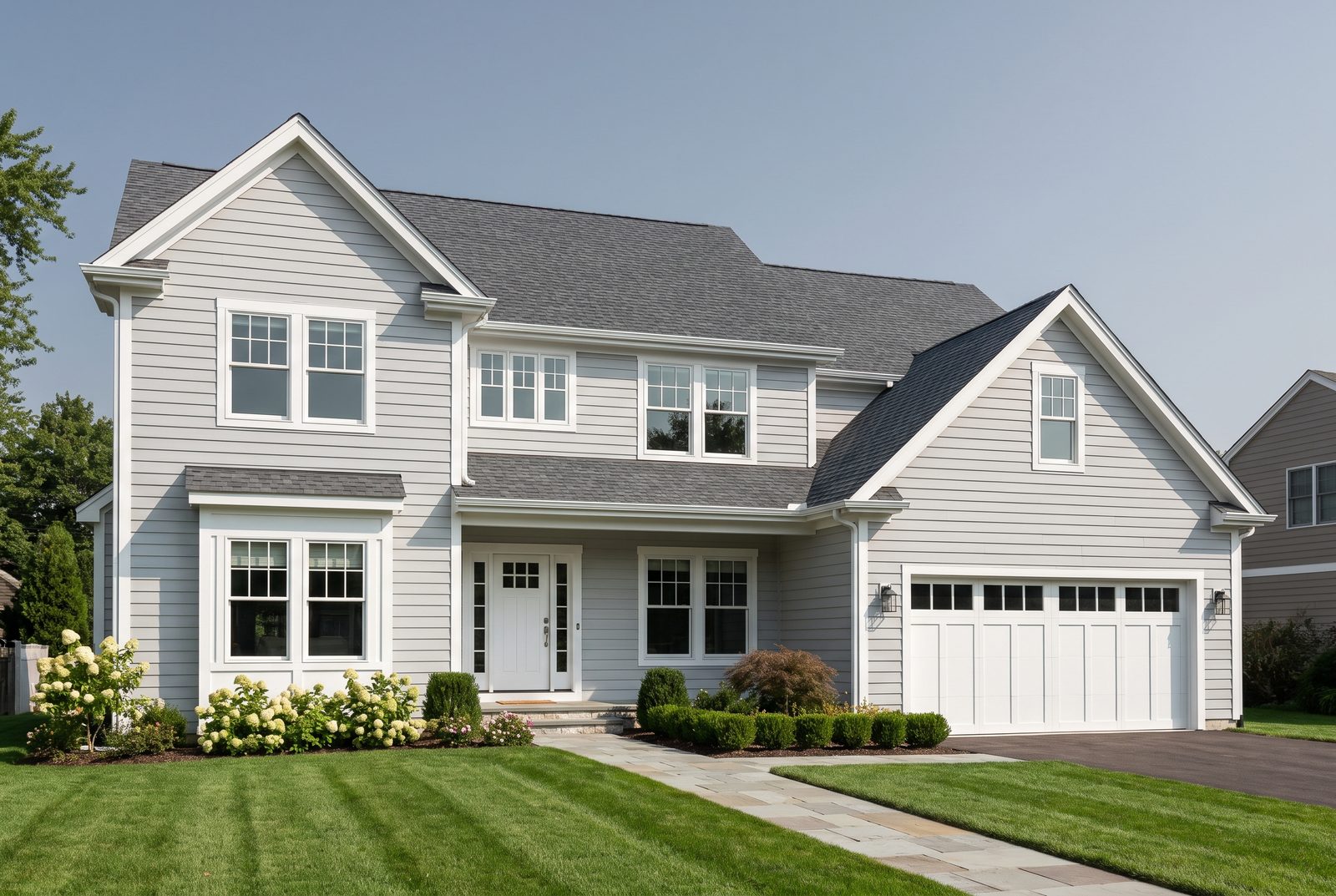
Knowing what you actually need
Exterior work gets sold on appearance and bought on comfort. The reliable indicators are physical rather than aesthetic.
Windows
Condensation between the panes is the clearest single signal. It means the seal on an insulated glass unit has failed and the inert gas between the panes is gone. That unit is not repairable in any practical sense. A draught you can feel with a hand near the frame on a cold day means either the seal or the installation has failed. A room that never holds temperature despite a working furnace usually has an envelope problem, and windows are the most common culprit.
Siding
Warping, chalky residue on your hand, gaps at the seams and any soft spot under pressure all point the same direction: water is getting behind the cladding. The visible damage is generally the smallest part of the problem, because the material that matters is the sheathing underneath. This is why a siding assessment that never looks behind anything is not an assessment.
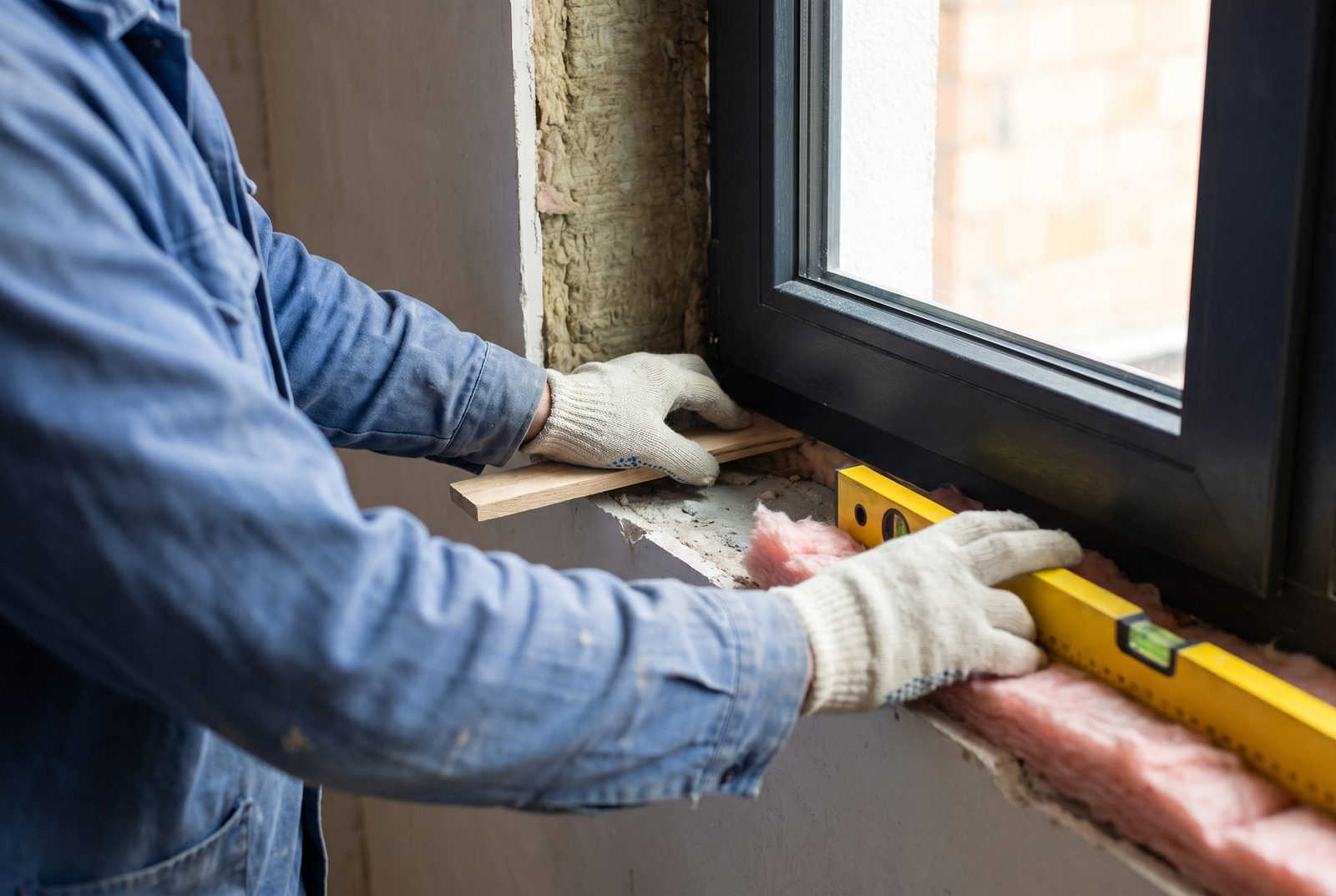
Comparing the options honestly
Most homeowners are choosing between a small number of material families. The differences that matter are durability, maintenance and how they behave over decades — not the brochure.
| Material | Strengths | Trade-offs |
|---|---|---|
| Vinyl windows | Lowest maintenance, good insulating value for the cost, no repainting | Limited colour options, frames are bulkier, cannot be refinished later |
| Fibreglass windows | Very stable across temperature swings, slim sightlines, long service life | Higher up-front cost than vinyl |
| Wood-clad windows | Best appearance, interior can be finished to match joinery | Most expensive, exterior cladding still needs periodic attention |
| Vinyl siding | Lowest cost per square foot, no painting, fast to install | Can crack in hard cold, appearance is the weak point |
| Fibre cement siding | Very durable, holds paint well, convincing wood appearance | Heavier and slower to install, so labour cost is higher |
| Engineered wood siding | Genuine wood texture at lower weight and cost than cedar | Requires the finish to be maintained properly over time |
What an estimate should look like
A usable estimate is itemised, written, and specific enough that a second contractor could bid the same scope. At minimum it should state:
- Exact product and specificationManufacturer, line, glass package for windows, material and profile for siding. "Premium vinyl" is not a specification.
- Unit count and dimensionsEvery opening listed. This is what makes two quotes comparable.
- Labour, disposal and permitsStated separately, including who pulls permits and who removes the old material.
- What happens if there is rotThe single most common source of change orders. It should have an agreed rate before work starts, not after.
- Both warrantiesManufacturer warranty on the product and workmanship warranty on the installation. They are different documents and the second one only means something if the company is still trading.
The four-hour presentation
The in-home window presentation is a well-known feature of this industry: a lengthy visit, a demonstration involving a heat lamp, a "today only" price, and a manager phoned from your kitchen table for a special authorisation.
A measurement and assessment visit genuinely does not require more than about an hour for a typical home. Anything past that is a presentation, and you are allowed to say so.
Before you sign anything
Verify the licence is current in your state and the insurance certificate is real and in date. Confirm whether the crew is employed or subcontracted. Get the change-order process in writing. Check the cancellation window that applies to in-home sales where you live. And get at least two itemised quotes on matched scope — not because the cheaper one wins, but because two quotes are how you find out what the job actually involves.
Common questions
Does an estimate cost anything?
No. The estimate described here is free and carries no obligation to proceed.
Can I replace just a few windows?
Yes, and it is often the sensible approach — worst-performing openings first, in phases. Any contractor who insists on whole-house replacement should be able to explain precisely why.
How long does the work take?
Window replacement is often a one- or two-day job for a typical home. Full siding usually runs several days to a couple of weeks depending on size and material.
Will I definitely save on energy bills?
Efficiency improvements are real but the size of any saving depends on your climate, your existing windows, your heating system and your usage. Treat any specific figure quoted at you with caution unless it is backed by a proper assessment of your home.
Who comes out?
A licensed, insured installer serving your area. Coverage varies by location, which is why the form asks for a postcode.